
Việt Nam đã nhanh chóng trở thành một trong những điểm đến hấp dẫn nhất đối với người nước ngoài, doanh nhân và chuyên gia làm việc từ xa tại châu Á.
Năm 2026, xu hướng di chuyển toàn cầu đang thay đổi khi các chuyên gia tìm kiếm những địa điểm kết hợp được sự hợp lý về chi phí, cơ hội kinh tế và chất lượng cuộc sống.
Chi phí sinh hoạt tăng cao ở các thành phố phương Tây, xu hướng làm việc từ xa trở nên phổ biến và sự tăng trưởng của các thị trường mới nổi đã thúc đẩy sự quan tâm đến Đông Nam Á - và Việt Nam đang ở trung tâm của xu hướng này.
Dân số Việt Nam đã vượt quá 100 triệu người vào năm 2023, Điều này biến quốc gia này trở thành một trong những thị trường tiêu dùng lớn nhất Đông Nam Á. Đồng thời, nước này tiếp tục thu hút lượng lớn đầu tư nước ngoài, với Hơn 1.000 tỷ USD vốn đầu tư trực tiếp nước ngoài (FDI) đã đăng ký trong năm 2023., Điều này phản ánh niềm tin mạnh mẽ vào quỹ đạo phát triển kinh tế của đất nước. Tăng trưởng GDP dự kiến sẽ duy trì ở mức trên 7% hàng năm cho đến năm 2026, Điều này đưa Việt Nam trở thành một trong những nền kinh tế tăng trưởng nhanh nhất trong khu vực.
Những động lực kinh tế này đã khiến Việt Nam ngày càng trở nên hấp dẫn đối với người nước ngoài, các chuyên gia quốc tế và cư dân nước ngoài. Tuy nhiên, việc chuyển đến một quốc gia đang phát triển cũng đi kèm với những sự điều chỉnh. Cơ sở hạ tầng, thủ tục hành chính và điều kiện môi trường có thể khác biệt đáng kể so với tiêu chuẩn phương Tây.
Điều này đương nhiên đặt ra một số câu hỏi cho những người dự định chuyển đến sống ở nước ngoài:
- Việt Nam có phải là một nơi tốt để sinh sống không?
- Những ưu điểm và nhược điểm thực sự khi sinh sống tại Việt Nam là gì?
- Chi phí sinh hoạt hàng ngày ở đây phải chăng hơn so với châu Âu hoặc Hoa Kỳ đến mức nào?
- Các chuyên gia nên kỳ vọng điều gì một cách thực tế nếu họ quyết định chuyển đến sinh sống và làm việc tại Việt Nam?
Hướng dẫn này cung cấp Tổng quan dựa trên dữ liệu về những ưu điểm và nhược điểm của việc sinh sống tại Việt Nam., Những thực tế của cuộc sống hàng ngày và những điều mà người nước ngoài nên kỳ vọng nếu có kế hoạch chuyển đến Việt Nam sinh sống vào năm 2026.
Tổng quan về cuộc sống tại Việt Nam
| Nhân tố | Tóm lại |
|---|---|
| Chi phí sinh hoạt | Nhìn chung, giá cả thấp hơn so với các thành phố phương Tây. |
| Nhà ở | Đa dạng các loại căn hộ và khu dân cư. |
| Công việc & kinh doanh | Nền kinh tế tăng trưởng và đầu tư quốc tế |
| Chăm sóc sức khỏe | Nhiều lựa chọn tốt hơn tại các bệnh viện tư nhân lớn. |
| Chuyên chở | Nhiều lựa chọn thuận tiện, nhưng giao thông có thể gặp khó khăn. |
| Môi trường | Chất lượng không khí thay đổi đáng kể tùy theo thành phố và mùa. |
| Sự quản lý | Thủ tục nhập cư và giấy tờ có thể phức tạp. |
| Phong cách sống | Nền văn hóa ẩm thực đặc sắc và đời sống xã hội sôi động. |
Ưu điểm khi sống tại Việt Nam
1. Chi phí sinh hoạt giảm đáng kể
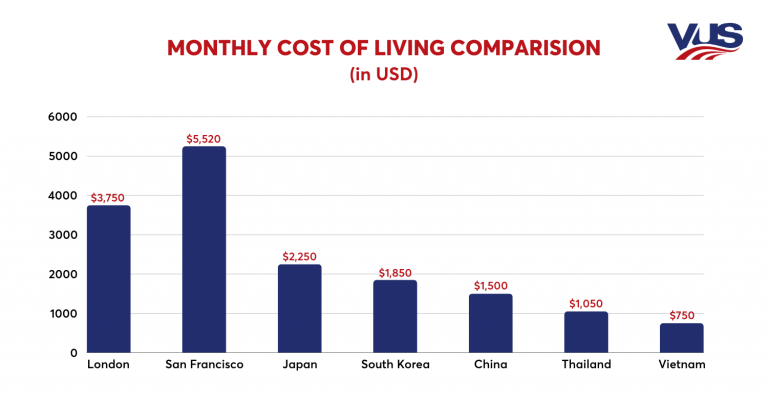
Một trong những yếu tố hấp dẫn nhất đối với người nước ngoài khi cân nhắc định cư tại Việt Nam là lợi thế về chi phí sinh hoạt. So với các thành phố lớn ở phương Tây, chi phí sinh hoạt hàng ngày có thể thấp hơn. 50–70% thấp hơn tùy thuộc vào lối sống:
- Một nghiên cứu năm 2024 của Mercer liệt kê Thành phố Hồ Chí Minh đứng thứ 178 trong số 226 thành phố có chi phí sinh hoạt đắt đỏ nhất.
- Nghiên cứu Expat Insider năm 2025 xếp hạng Việt Nam là quốc gia thuộc nhóm #1 về Tài chính cá nhân.
Nhà ở, thực phẩm và phương tiện đi lại đặc biệt rẻ so với thị trường phương Tây.
So sánh chi phí sinh hoạt hàng tháng (ước tính năm 2026)
| Thành phố | Chuyên gia độc thân | Cặp đôi | Gia đình (4) |
| Thành phố Hồ Chí Minh | $900–$1,600 | $1,500–$2,400 | $2,800–$4,000 |
| Hà Nội | $850–$1,500 | $1,400–$2,300 | $2,600–$3,800 |
| Đà Nẵng | $750–$1,400 | $1,300–$2,100 | $2,400–$3,500 |
| Paris | $2,800–$4,200 | $4,000–$6,000 | $7,000+ |
| New York | $3,500–$5,500 | $5,500–$7,500 | $9,000+ |
Giá thuê nhà trung bình hàng tháng (Căn hộ hiện đại)
| Thành phố | Căn hộ 1 phòng ngủ tại trung tâm thành phố |
| Thành phố Hồ Chí Minh | $450–$900 |
| Hà Nội | $400–$850 |
| Đà Nẵng | $350–$700 |
| Paris | $1,600–$2,200 |
| New York | $2,500–$4,000 |
(Nguồn: Numbeo, Người nước ngoài)
Chi phí thực phẩm thông thường
| Loại bữa ăn | Giá trung bình |
| Bữa ăn đường phố | $1–$3 |
| Nhà hàng địa phương | $3–$6 |
| Nhà hàng tầm trung | $8–$15 |
| Nhà hàng phương Tây | $15–$25 |
Mức giá này giúp nhiều người nước ngoài có thể ăn ngoài hàng ngày mà không ảnh hưởng đáng kể đến ngân sách của họ, Điều này sẽ tốn kém hơn nhiều ở châu Âu hoặc Bắc Mỹ.
Đối với những chuyên gia có thu nhập quốc tế hoặc điều hành các doanh nghiệp toàn cầu, sự chênh lệch chi phí này có thể làm tăng đáng kể thu nhập khả dụng và sự linh hoạt trong lối sống.
2. Tăng trưởng kinh tế mạnh mẽ và cơ hội kinh doanh
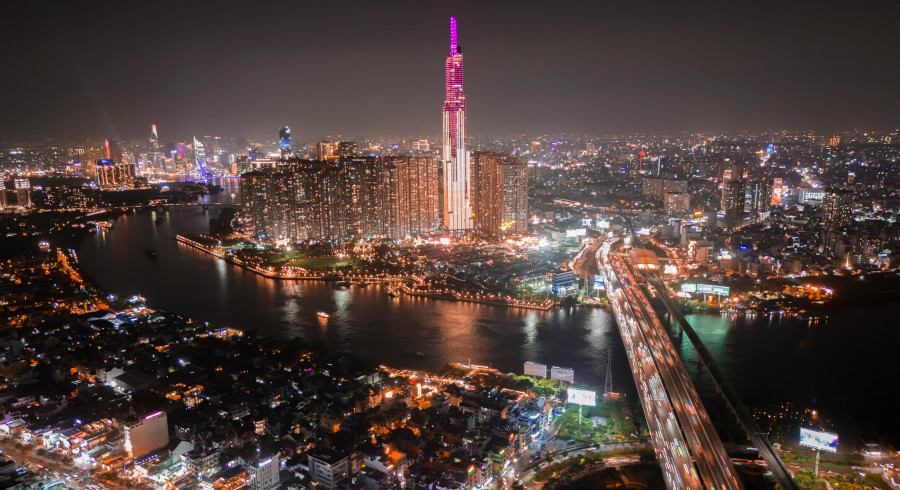
Việt Nam đã trở thành một trung tâm sản xuất và công nghệ quan trọng trong chuỗi cung ứng toàn cầu. Việc các công ty chuyển hoạt động từ Trung Quốc sang mở rộng khắp Đông Nam Á đã góp phần tạo nên đà phát triển kinh tế mạnh mẽ.
Đặc biệt, Thành phố Hồ Chí Minh đã tạo dựng được danh tiếng là một trong những hệ sinh thái khởi nghiệp phát triển nhanh nhất Đông Nam Á.
Các chỉ số chính minh họa cho sự tăng trưởng này:
| Chỉ báo | Việt Nam |
| Tăng trưởng GDP (dự báo giai đoạn 2024–2026) | ~6–8% |
| Dân số | ~100 triệu |
| Tuổi trung bình | ~32 |
| Dòng vốn FDI (2023) | $36,6 tỷ |
| Tỷ lệ thâm nhập Internet | ~77% |
(Nguồn: Ngân hàng Thế giới, (Bộ Công Thương Việt Nam)
Đối với người nước ngoài, điều này đồng nghĩa với việc mở rộng cơ hội trong các lĩnh vực như:
- công nghệ và các công ty khởi nghiệp
- quản lý sản xuất và chuỗi cung ứng
- dịch vụ tư vấn và chuyên nghiệp
- giáo dục và đào tạo ngôn ngữ
- tiếp thị kỹ thuật số và dịch vụ từ xa
3. Văn hóa ẩm thực và lối sống đặc sắc
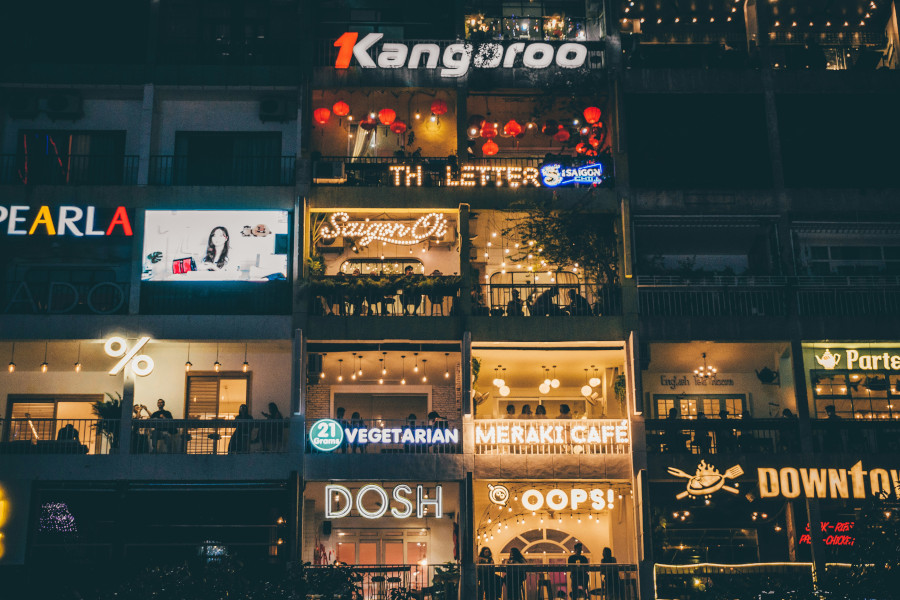
Việt Nam luôn nằm trong số những điểm đến ẩm thực hấp dẫn nhất thế giới. Các thành phố như... Hà Nội và Thành phố Hồ Chí Minh thường xuyên xuất hiện trong các bảng xếp hạng toàn cầu về những thủ đô ẩm thực đường phố hàng đầu., Thu hút hàng triệu du khách mỗi năm.
Không giống như nhiều quốc gia phương Tây, nơi việc ăn ngoài chỉ diễn ra thỉnh thoảng, Ăn ngoài nhà là một phần của cuộc sống thường nhật ở Việt Nam.. Các quầy hàng rong, nhà hàng gia đình và quán cà phê khu phố có mặt ở hầu hết mọi góc phố, giúp bạn dễ dàng tìm thấy những bữa ăn tươi ngon vào hầu hết mọi thời điểm trong ngày.
Ẩm thực Việt Nam được đánh giá cao vì... Sự cân bằng giữa hương vị, các loại thảo mộc tươi và kỹ thuật nấu nướng nhẹ nhàng.. Sự đa dạng vùng miền cũng đóng vai trò quan trọng: các món ăn miền Bắc thường có vị nhẹ nhàng hơn, ẩm thực miền Trung thường cay hơn, còn ẩm thực miền Nam lại sử dụng nhiều vị ngọt và nguyên liệu nhiệt đới.
Các món ăn phổ biến bao gồm:
- Phở (Món phở Việt Nam)
- Bánh mì (Món bánh mì Việt Nam chịu ảnh hưởng từ ẩm thực Pháp)
- Bún chả (Thịt heo nướng với bún gạo)
- Com tam (Cơm tấm với thịt nướng)
- Hải sản tươi sống, đặc biệt là ở các vùng ven biển
Nhờ ngành nông nghiệp phát triển mạnh và nguồn nông sản tươi dồi dào, các bữa ăn thường được chế biến bằng cách sử dụng... nguyên liệu có nguồn gốc địa phương, Điều này góp phần tạo nên cả hương vị thơm ngon và giá cả phải chăng.
Sản phẩm quốc tế và phương Tây đa dạng và dễ tìm mua.
Mặc dù ẩm thực Việt Nam là một điểm nhấn quan trọng trong đời sống tại đất nước này, người nước ngoài cũng có thể tiếp cận với nhiều loại thực phẩm quốc tế và sản phẩm nhập khẩu.
Các thành phố lớn hiện nay cung cấp:
- Siêu thị quốc tế như Annam Gourmet Market, Lotte Mart, Mega Market
- Sản phẩm nhập khẩu từ châu Âu và Mỹ bao gồm pho mát, rượu vang, ngũ cốc và thực phẩm hữu cơ
- Cảnh quan nhà hàng quốc tế Bao gồm các món ăn Ý, Pháp, Nhật Bản, Hàn Quốc, Ấn Độ và Trung Đông.
Tại Thành phố Hồ Chí Minh và Hà Nội, giờ đây việc tìm kiếm trở nên dễ dàng hơn bao giờ hết. Các tiệm bánh kiểu phương Tây, quán cà phê đặc sản, nhà máy bia thủ công và nhà hàng cao cấp. Tương đương với những gì diễn ra ở các thành phố lớn trên thế giới.
Các nền tảng giao đồ ăn như GrabFood, ShopeeFood và Baemin Ngoài ra, việc đặt món ăn cũng trở nên vô cùng tiện lợi, với hàng nghìn nhà hàng có sẵn thông qua ứng dụng di động.
4. Vị trí chiến lược cho du lịch tại châu Á
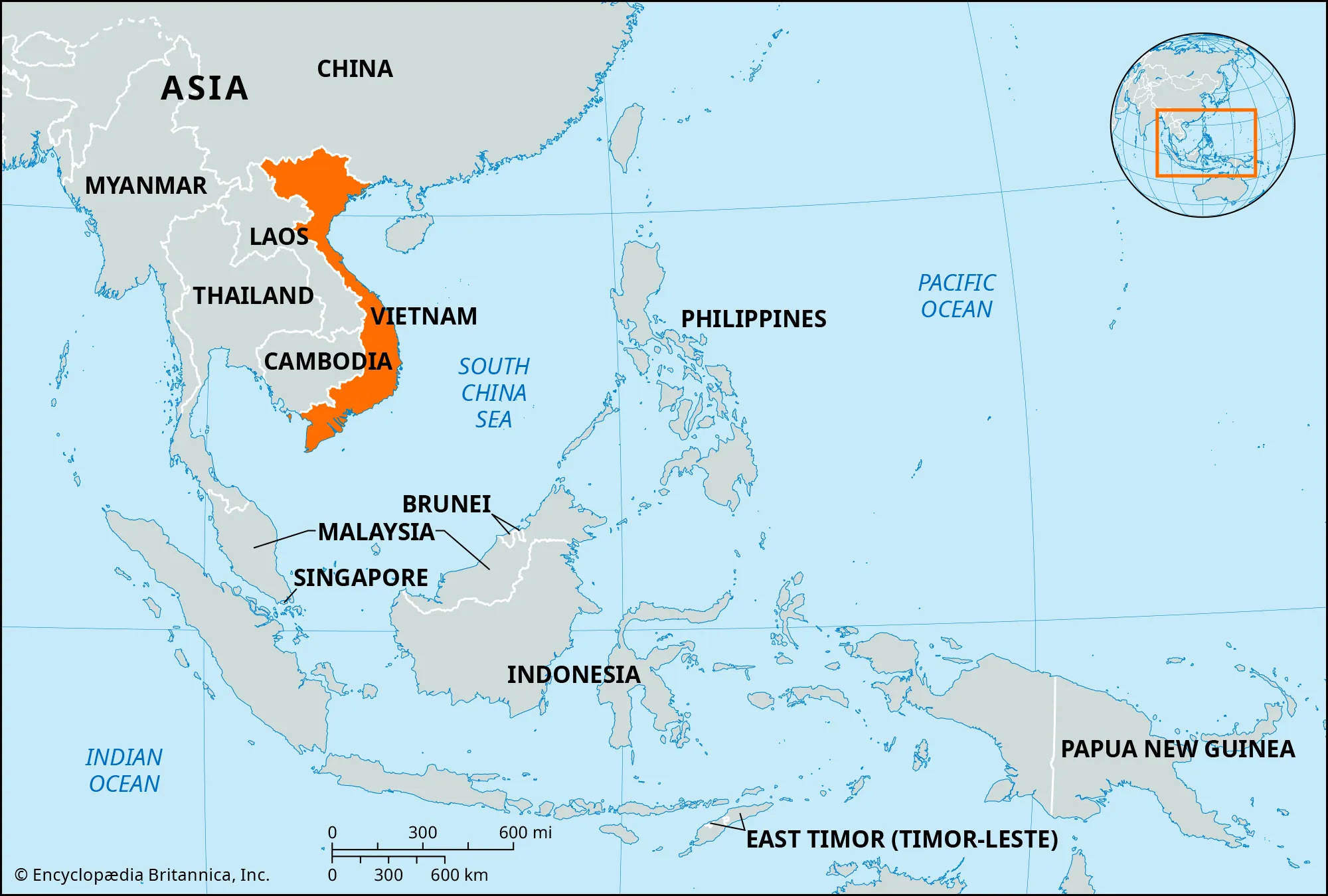
Việt Nam là một trong những quốc gia có vị trí chiến lược nhất ở Đông Nam Á. Nằm giữa... Trung Quốc, Thái Lan, Campuchia, Lào và Biển Đông, Nó đóng vai trò là một trung tâm thuận tiện để khám phá cả hai. Đông Á và phần còn lại của ASEAN.
Đối với người nước ngoài và doanh nhân đang sinh sống tại Việt Nam, điều này có nghĩa là dễ dàng tiếp cận các điểm đến quan trọng trong khu vực như: Bangkok, Singapore, Kuala Lumpur, Hồng Kông, Seoul và Tokyo, thường có thể tiếp cận được ở dưới 4-5 giờ bay.
Các hãng hàng không giá rẻ như VietJet Air, AirAsia và Scoot đã mở rộng đáng kể các tuyến bay khu vực trong thập kỷ qua, giúp việc đi lại quốc tế trở nên dễ dàng hơn. Kết quả là, những chuyến đi cuối tuần khắp châu Á đã trở thành một phần bình thường trong lối sống của người nước ngoài.
Sự trỗi dậy nhanh chóng của Việt Nam như một điểm đến du lịch toàn cầu
Việt Nam không chỉ có vị trí địa lý thuận lợi mà còn đang trở thành một trong những quốc gia hàng đầu thế giới. Những điểm đến du lịch phát triển nhanh nhất thế giới.
Theo số liệu thống kê của Liên Hợp Quốc về du lịch và quốc gia:
- Việt Nam chào đón Hơn 21 triệu du khách quốc tế vào năm 2025., con số cao nhất từng được ghi nhận.
- Điều này thể hiện Tăng trưởng hơn 20% so với năm trước., Vượt qua kỷ lục trước đó được thiết lập trước đại dịch.
- Quốc gia này được xếp hạng trong số các quốc gia hàng đầu. các thị trường du lịch phát triển nhanh nhất toàn cầu, Bên cạnh những điểm đến như Nhật Bản.
Sự gia tăng này phản ánh danh tiếng ngày càng tăng của Việt Nam về... Cảnh quan đa dạng, di sản văn hóa phong phú, những bãi biển đẳng cấp thế giới và chi phí du lịch cạnh tranh..
Cải thiện cơ sở hạ tầng cho giao thông nội địa
Việc đi lại trong nội địa Việt Nam cũng trở nên dễ dàng hơn đáng kể trong những năm gần đây nhờ các khoản đầu tư lớn vào cơ sở hạ tầng.
Một số sự phát triển đã làm thay đổi trải nghiệm du lịch khắp đất nước:
- Mạng lưới sân bay được mở rộng: Việt Nam hiện đang vận hành hơn 20 sân bay thương mại, bao gồm các trung tâm quốc tế lớn ở Thành phố Hồ Chí Minh, Hà Nội và Đà Nẵng, cũng như các sân bay đang phát triển nhanh chóng như Phú Quốc, Cam Ranh và Vân Đồn.
- Các tuyến đường cao tốc và quốc lộ mới: Chính phủ đang đầu tư mạnh vào... Đường cao tốc Bắc-Nam, một dự án đường cao tốc quy mô lớn được thiết kế để kết nối đất nước từ Hà Nội đến Thành phố Hồ Chí Minh một cách hiệu quả hơn.
- Mạng lưới chuyến bay nội địa đang phát triển: Các chuyến bay nội địa kết nối hầu hết các thành phố lớn ở dưới hai giờ, giúp bạn dễ dàng khám phá các điểm đến như:
- Đà Nẵng và Hội An
- Đảo Phú Quốc
- Nha Trang
- Vịnh Hạ Long
- Sapa ở miền Bắc Việt Nam
- Mở rộng cơ sở hạ tầng du lịch cao cấp: Các khu nghỉ dưỡng sang trọng, khu nghỉ dưỡng sinh thái và khách sạn boutique mọc lên như nấm dọc bờ biển và vùng núi, biến Việt Nam thành một điểm đến hấp dẫn. Quốc gia đa điểm đến, lý tưởng cho cả du lịch nghỉ dưỡng và công tác..
Thời gian di chuyển và giá vé máy bay khứ hồi thông thường
| Điểm đến | Thời gian bay từ TP.HCM | Thời gian bay từ Hà Nội | Giá vé khứ hồi trung bình |
| Bangkok | 1 giờ 30 phút | 1 giờ 50 phút | $90–$150 |
| Singapore | 2 giờ | 3 giờ 30 phút | $120–$220 |
| Kuala Lumpur | 2 giờ | 3h15 | $120–$200 |
| Seoul | 5 giờ 30 phút | 4 giờ 30 phút | $300–$500 |
| Tokyo | 6 giờ | 5 giờ 30 phút | $350–$600 |
| Bali | 4 giờ | 6 giờ | $250–$450 |
5. Một xã hội trẻ trung và năng động

Việt Nam sở hữu một trong những dân số trẻ nhất châu Á, góp phần tạo nên một nền văn hóa đô thị năng động, sự tiếp thu nhanh chóng các công nghệ kỹ thuật số và tinh thần khởi nghiệp mạnh mẽ.
So với nhiều quốc gia phương Tây đang đối mặt với tình trạng dân số già hóa, Việt Nam lại có lợi thế nhờ nguồn nhân lực trong độ tuổi lao động dồi dào, thúc đẩy tăng trưởng kinh tế và nhu cầu tiêu dùng.
Các thành phố như Thành phố Hồ Chí Minh, Hà Nội và Đà Nẵng Thành phố này tràn đầy năng lượng và không ngừng phát triển, với các nhà hàng mới, không gian làm việc chung, các công ty khởi nghiệp công nghệ và địa điểm giải trí liên tục xuất hiện. Dân số trẻ này cũng đã thúc đẩy việc áp dụng... thanh toán kỹ thuật số, thương mại điện tử và dịch vụ gọi xe, Điều này giúp Việt Nam trở thành một trong những thị trường kỹ thuật số năng động nhất Đông Nam Á.
Đối với người nước ngoài sinh sống tại đây, đặc điểm nhân khẩu học này thường dẫn đến... Môi trường xã hội sôi động, cơ hội việc làm ngày càng mở rộng và nền văn hóa đô thị phát triển nhanh chóng..
Cấu trúc nhân khẩu học
| Số liệu | Việt Nam | So sánh (Pháp / Mỹ) |
| Dân số | ~100 triệu | Pháp: 68 triệu / Mỹ: 333 triệu |
| Tuổi trung bình | ~32 năm | Pháp: 42 / Mỹ: 39 |
| Dân số dưới 35 tuổi | ~55% | Pháp: ~41% |
| Tuổi thọ trung bình | ~73,7 năm | Pháp: ~82 / Mỹ: ~77 |
| Tỷ lệ sinh | ~1,9 ca sinh trên mỗi phụ nữ | Pháp: ~1,8 / Mỹ: ~1,7 |
| Tỷ lệ đô thị hóa | ~40% | Pháp: ~81% / Hoa Kỳ: ~83% |
| Tỷ lệ thâm nhập Internet | ~77% | Tương tự như nhiều thị trường phát triển |
(Nguồn: Ngân hàng Thế giới,), Phân khu Dân số Liên Hợp Quốc, Tổng cục Thống kê Việt Nam)
Lực lượng lao động tương đối trẻ của Việt Nam — kết hợp với tầng lớp trung lưu đang ngày càng tăng — là một trong những lý do chính khiến các công ty quốc tế tiếp tục đầu tư mạnh vào nước này.
Dành cho người nước ngoài và các doanh nhân đang cân nhắc Cuộc sống ở Việt Nam dành cho người nước ngoài, Động lực nhân khẩu học này tạo ra môi trường thị trường phát triển nhanh Với tiềm năng dài hạn mạnh mẽ.
Những mặt hạn chế khi sống ở Việt Nam
1. Rào cản ngôn ngữ
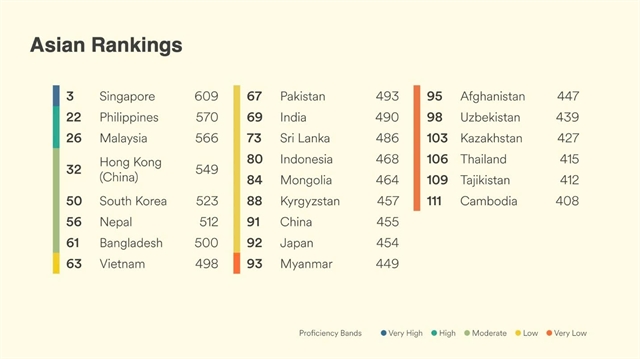
Tiếng Việt được nhiều người coi là một trong những ngôn ngữ khó học nhất đối với người nói tiếng Anh. Đó là một... ngôn ngữ thanh điệu với sáu thanh điệu, Điều này có nghĩa là nghĩa của một từ thay đổi tùy thuộc vào cách phát âm. Hệ thống chữ viết sử dụng bảng chữ cái Latinh, nhưng các dấu thanh và quy tắc phát âm vẫn đòi hỏi phải luyện tập nhiều.
So sánh độ khó ngôn ngữ (FSI)
| Ngôn ngữ | Mức độ khó | Số giờ học ước tính |
| tiếng Tây Ban Nha | Hạng mục I | ~600 giờ |
| tiếng Đức | Hạng mục II | ~750 giờ |
| Tiếng Việt | Hạng IV | ~1100 giờ |
Do sự phức tạp này, nhiều người nước ngoài sinh sống tại Việt Nam gặp khó khăn trong việc tìm hiểu về vấn đề này. không trở nên hoàn toàn thông thạo, đặc biệt nếu môi trường làm việc và sinh hoạt của họ chủ yếu sử dụng tiếng Anh.
Trình độ tiếng Anh tại Việt Nam
Mặc dù tiếng Việt vẫn chiếm ưu thế trong đời sống hàng ngày, Trình độ tiếng Anh đã được cải thiện đáng kể trong những năm gần đây., đặc biệt là ở các thành phố lớn và trong giới chuyên gia trẻ tuổi.
| Số liệu | Việt Nam |
| Xếp hạng trình độ tiếng Anh EF | ~Xếp hạng thứ 64 toàn cầu |
| Người nói tiếng Anh lưu loát | ~5–10% dân số |
Tiếng Anh thường được sử dụng trong các công ty quốc tế, công ty khởi nghiệp, công ty công nghệ, du lịch và giáo dục đại học. Tại các thành phố như Thành phố Hồ Chí Minh, Hà Nội và Đà Nẵng, Nhìn chung, việc làm việc trong môi trường chỉ sử dụng tiếng Anh là hoàn toàn khả thi, đặc biệt là trong các tổ chức đa quốc gia hoặc môi trường làm việc từ xa.
Trong môi trường chuyên nghiệp — đặc biệt là khi giao tiếp với các công ty luật, chuyên gia chuyển nhà, các ngân hàng, hoặc trường quốc tế — Thường có nhân viên nói tiếng Anh sẵn sàng hỗ trợ.
Tuy nhiên, rào cản ngôn ngữ vẫn có thể phát sinh trong chính quyền địa phương, cơ sở chăm sóc sức khỏe, doanh nghiệp nhỏ hoặc văn phòng chính phủ, Trong đó tiếng Việt vẫn là ngôn ngữ làm việc chính.
Vì lý do này, nhiều người nước ngoài thấy việc học hỏi là hữu ích. tiếng Việt giao tiếp cơ bản, trong khi dựa vào các nhà cung cấp dịch vụ chuyên nghiệp hoặc người dịch khi xử lý các thủ tục hành chính.
2. Những thách thức về ô nhiễm môi trường tại Việt Nam
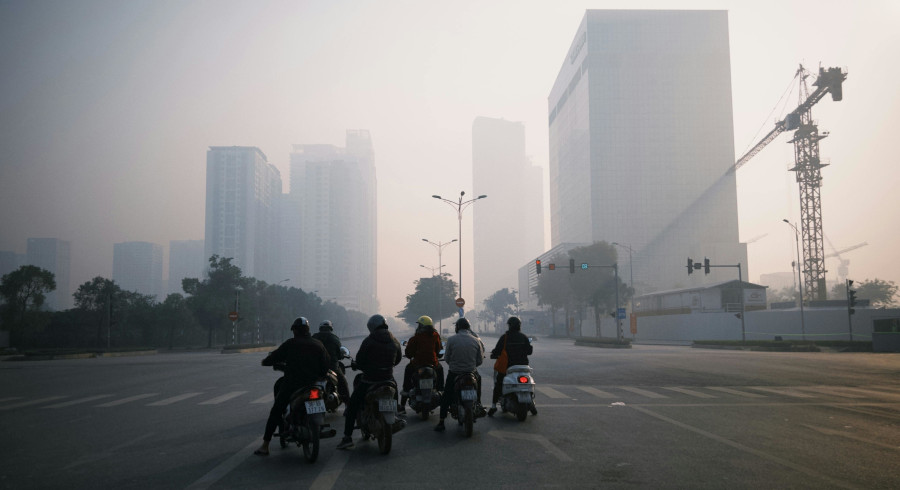
Giống như nhiều nền kinh tế đang phát triển nhanh chóng khác, Việt Nam đang phải đối mặt với nhiều thách thức. một số thách thức môi trường liên quan đến đô thị hóa, tăng trưởng công nghiệp và mật độ dân số.. Mặc dù đất nước này mang đến một lối sống năng động và nhiều cơ hội kinh tế mạnh mẽ, nhưng người nước ngoài nên lưu ý rằng: Chất lượng môi trường có thể khác biệt đáng kể giữa các vùng và thành phố..
Các mối quan ngại chính thường liên quan đến ô nhiễm không khí, rác thải nhựa, chất lượng nước và tắc nghẽn đô thị, đặc biệt là ở các khu vực đô thị lớn như Hà Nội và Thành phố Hồ Chí Minh.
Ô nhiễm không khí tại các thành phố lớn
Chất lượng không khí là một trong những vấn đề môi trường dễ thấy nhất ảnh hưởng đến cuộc sống hàng ngày ở Việt Nam. Quá trình cơ giới hóa nhanh chóng, hoạt động xây dựng và khí thải công nghiệp góp phần làm cho mức độ ô nhiễm không khí biến động, đặc biệt là vào một số mùa nhất định.
Bắc Việt Nam và Hà Nội nói riêng, Thành phố có thể trải qua đợt ô nhiễm tăng đột biến vào những tháng mùa đông khi điều kiện khí quyển giữ lại các hạt bụi mịn trên không trung.
| Thành phố | Chỉ số AQI điển hình | Chất lượng không khí |
| Hà Nội | 80–120 | Từ trung bình đến không tốt cho sức khỏe |
| Thành phố Hồ Chí Minh | 40–70 | Vừa phải |
| Đà Nẵng | 25–45 | Tốt |
| Paris | 30–50 | Tốt |
| New York | 20–40 | Tốt |
(Nguồn: Báo cáo chất lượng không khí toàn cầu của IQAir)
Mặc dù các mức độ này thường thấp hơn mức độ ô nhiễm thường thấy ở các siêu đô thị nặng nề như Delhi hay Bắc Kinh., Tuy nhiên, giá cả ở đây vẫn có thể cao hơn đáng kể so với nhiều thành phố phương Tây.
Đối với cư dân sinh sống lâu năm, việc áp dụng các chiến lược giảm thiểu rủi ro đơn giản như sau là điều phổ biến:
- Sử dụng máy lọc không khí trong căn hộ
- Kiểm tra Ứng dụng giám sát AQI
- Đeo khẩu trang vào những ngày ô nhiễm cao.
Rác thải nhựa và ô nhiễm biển
Việt Nam cũng đang phải đối mặt với sự quan tâm ngày càng tăng của quốc tế về vấn đề này. quản lý chất thải nhựa. Theo các nghiên cứu môi trường toàn cầu, quốc gia này từ lâu đã nằm trong số những nước có môi trường ô nhiễm nhất. những tác nhân gây ô nhiễm rác thải nhựa lớn nhất đại dương, Chủ yếu là do tốc độ đô thị hóa nhanh và cơ sở hạ tầng xử lý chất thải không đầy đủ ở một số khu vực.
Tuy nhiên, chính phủ Việt Nam đã phát động một số sáng kiến nhằm giảm thiểu ô nhiễm nhựa, bao gồm:
- Các mục tiêu quốc gia về Giảm thiểu rác thải nhựa dùng một lần vào năm 2030
- Cấm sử dụng một số sản phẩm nhựa nhất định tại các khu vực ven biển được bảo vệ.
- Mở rộng hệ thống thu gom và tái chế chất thải
Nhiều nhà hàng, quán cà phê và khách sạn ở các thành phố lớn đang ngày càng áp dụng phương pháp này. bao bì thân thiện với môi trường và các sáng kiến bền vững, Điều này phản ánh nhận thức ngày càng tăng về môi trường ở cả doanh nghiệp và người tiêu dùng.
Chất lượng nước và cơ sở hạ tầng đô thị
Chất lượng nước cũng có thể khác nhau tùy thuộc vào từng khu vực. Trong khi đó, Nước máy thường được xử lý, nó là Thông thường không nên dùng trực tiếp mà không qua lọc.
Hầu hết người nước ngoài sinh sống tại đây đều dựa vào:
- Hệ thống lọc nước
- Dịch vụ giao nước uống đóng chai
- Hệ thống lọc nước do các tòa nhà chung cư cung cấp.
Tin vui là Việt Nam tiếp tục đầu tư mạnh vào cơ sở hạ tầng đô thị., bao gồm xử lý nước thải, giao thông công cộng và hệ thống giám sát môi trường.
Cải thiện các chính sách môi trường
Bất chấp những thách thức này, Việt Nam đã bắt đầu triển khai thực hiện. các quy định môi trường mạnh mẽ hơn và các sáng kiến bền vững trong những năm gần đây.
Ví dụ bao gồm:
- Các khoản đầu tư lớn vào Hệ thống tàu điện ngầm tại Hà Nội và Thành phố Hồ Chí Minh để giảm lượng khí thải giao thông
- Mở rộng các dự án năng lượng tái tạo, đặc biệt là năng lượng mặt trời và năng lượng gió
- Kế hoạch quốc gia nhằm đạt được mục tiêu phát thải carbon ròng bằng không vào năm 2050
Đối với người nước ngoài, điều kiện môi trường có thể khác nhau đáng kể tùy thuộc vào nơi họ chọn sinh sống. Các thành phố ven biển như... Đà Nẵng hoặc Nha Trang thường có không khí trong lành hơn và nhịp sống chậm rãi hơn., Trong khi đó, các trung tâm kinh tế lớn như Hà Nội và Thành phố Hồ Chí Minh mang lại nhiều cơ hội nghề nghiệp hơn nhưng cũng đi kèm với những thách thức điển hình của các siêu đô thị đang phát triển nhanh chóng.
3. Sự khác biệt trong chăm sóc sức khỏe
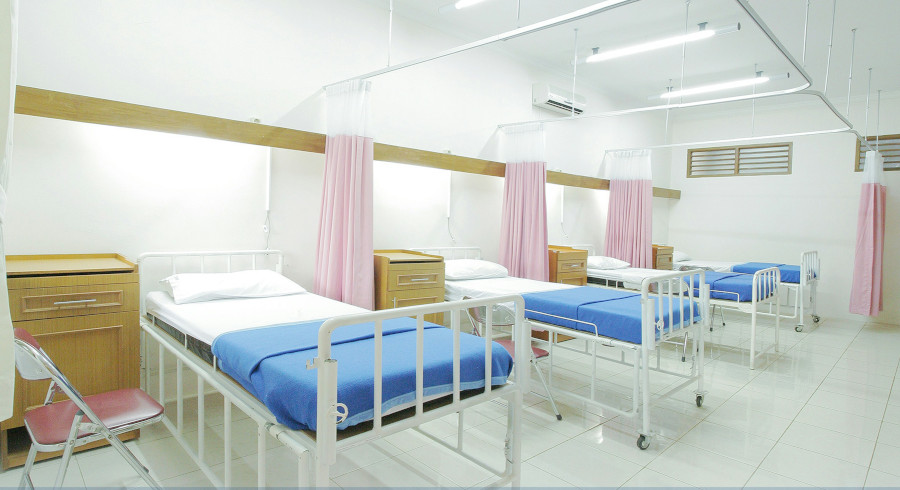
Hệ thống y tế của Việt Nam đã được cải thiện đáng kể trong hai thập kỷ qua, được hỗ trợ bởi sự gia tăng đầu tư công và sự mở rộng của các cơ sở y tế tư nhân. Tuy nhiên, hệ thống này vẫn còn một số điểm khác biệt so với hệ thống y tế điển hình ở các nước OECD, đặc biệt là về tính đồng nhất của cơ sở hạ tầng, chăm sóc dự phòng và năng lực của các bệnh viện công.
Các trung tâm đô thị lớn như Thành phố Hồ Chí Minh, Hà Nội và Đà Nẵng hiện đang đón tiếp một số lượng ngày càng tăng các các bệnh viện và phòng khám tư nhân đạt tiêu chuẩn quốc tế, Những loại hình này được người nước ngoài và cư dân có thu nhập cao sử dụng rộng rãi.
Nguy cơ sức khỏe phổ biến hơn ở các nước phương Tây.
Do Việt Nam là một quốc gia nhiệt đới với mật độ dân số cao và những đặc điểm khác biệt về y tế công cộng, nên một số bệnh lý xảy ra thường xuyên hơn so với ở châu Âu hoặc Bắc Mỹ.
| Tình trạng | Tỷ lệ phổ biến tương đối |
| Sốt xuất huyết | Cao |
| Viêm gan B | Cao hơn so với OECD |
| Bệnh lao | Tỷ lệ mắc bệnh cao hơn |
| Bệnh đường hô hấp do ô nhiễm không khí | Nguy cơ cao |
| Bệnh do thực phẩm gây ra | Vừa phải |
Nhìn chung, những rủi ro này có thể được kiểm soát bằng cách... Tiêm chủng đầy đủ, các biện pháp phòng ngừa và nhận thức về y tế., Nhưng chúng là một phần của môi trường y tế mà người nước ngoài cần chuẩn bị sẵn sàng.
Chăm sóc sức khỏe công lập so với tư nhân
Việt Nam vận hành một hệ thống chăm sóc sức khỏe kép:
- Bệnh viện công, Những cơ sở này cung cấp dịch vụ chăm sóc y tế với giá cả phải chăng nhưng thường xuyên bị quá tải và thời gian chờ đợi lâu hơn.
- Bệnh viện tư nhân và quốc tế, Những cơ sở này cung cấp các tiêu chuẩn tiện nghi cao hơn, đội ngũ nhân viên nói tiếng Anh và các dịch vụ quen thuộc hơn với bệnh nhân phương Tây.
Các cơ sở quốc tế nổi tiếng bao gồm Bệnh viện FV và Vinmec tại Thành phố Hồ Chí Minh, Bệnh viện Pháp tại Hà Nội, và một số phòng khám quốc tế tại các thành phố lớn.
Quyền tiếp cận dịch vụ chăm sóc sức khỏe cho người nước ngoài
Hầu hết người nước ngoài đều dựa vào Các bệnh viện tư nhân quốc tế kết hợp với các chương trình bảo hiểm y tế quốc tế., thường cung cấp:
- Bác sĩ nói tiếng Anh
- Tiêu chuẩn điều trị quốc tế
- Thanh toán trực tiếp với các nhà cung cấp bảo hiểm
- Lên lịch hẹn nhanh hơn
Phí khám bệnh tại các phòng khám tư nhân thường dao động trong khoảng... $30 và $80, Trong khi đó, các thủ tục y tế lớn vẫn có chi phí thấp hơn đáng kể so với nhiều nước phương Tây.
Đối với chăm sóc sức khỏe định kỳ và y tế dự phòng, khu vực tư nhân của Việt Nam thường cung cấp các dịch vụ sau: dịch vụ chất lượng cao, Tuy nhiên, đối với các phương pháp điều trị chuyên khoa cao cấp, một số người nước ngoài vẫn chọn đi du lịch đến... Singapore, Thái Lan hoặc Hàn Quốc, Những nơi này đóng vai trò là trung tâm y tế khu vực.
Nhìn chung, với bảo hiểm phù hợp và khả năng tiếp cận các cơ sở quốc tế, Dịch vụ chăm sóc sức khỏe cho người nước ngoài tại Việt Nam nhìn chung đáng tin cậy và giá cả phải chăng., Tuy nhiên, điều này có thể đòi hỏi một cách tiếp cận khác so với các hệ thống chăm sóc sức khỏe phương Tây.
4. Giao thông và cơ sở hạ tầng đô thị
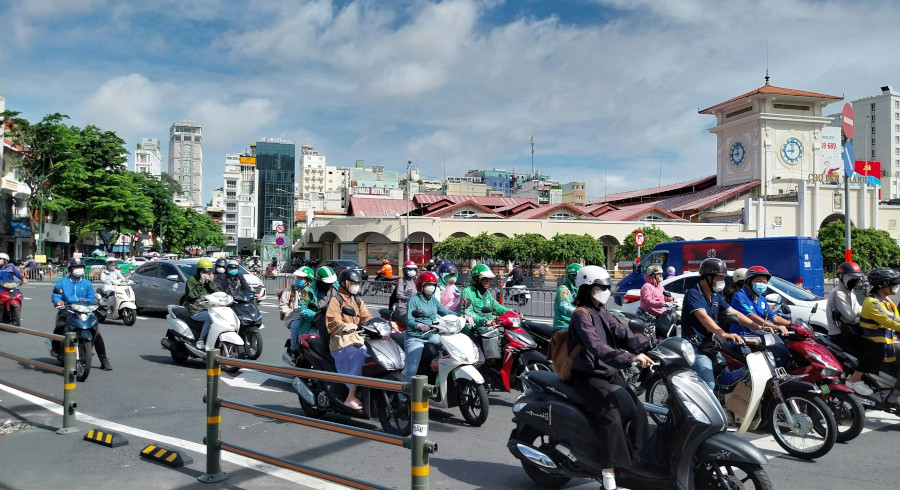
Các thành phố của Việt Nam nổi tiếng với mật độ giao thông cao.
Sự thống trị của xe máy
| Thành phố | Số lượng xe máy ước tính |
| Thành phố Hồ Chí Minh | ~9 triệu |
| Hà Nội | ~7 triệu |
Hệ thống giao thông công cộng đang được cải thiện — với các dự án tàu điện ngầm đang được triển khai — nhưng nhiều cư dân vẫn phụ thuộc vào xe máy và các dịch vụ gọi xe.
So sánh an toàn đường bộ
Việt Nam đã có những tiến bộ trong an toàn giao thông đường bộ trong thập kỷ qua, nhưng tỷ lệ tai nạn vẫn cao hơn so với hầu hết các nước thuộc OECD.
| Quốc gia | Số người chết do tai nạn giao thông trên 100.000 dân. |
| Việt Nam | ~24 |
| Hoa Kỳ | ~12 |
| Pháp | ~5 |
| Đức | ~3 |
(Nguồn: Báo cáo An toàn Giao thông Đường bộ Toàn cầu của WHO)
Các lựa chọn di chuyển dành cho người nước ngoài
Mặc dù mật độ giao thông khá cao, nhiều người nước ngoài nhận thấy việc đi lại hàng ngày khá dễ dàng nhờ vào nhiều lựa chọn phương tiện giao thông khác nhau:
- Các ứng dụng gọi xe (Grab, Be, Xanh SM)
- Dịch vụ taxi có sẵn rộng rãi ở các khu vực đô thị
- Tài xế riêng Dành cho các chuyên gia hoặc gia đình
- Phát triển mạng lưới tàu điện ngầm và xe buýt
Đối với những người sẵn sàng thích nghi, xe máy cũng mang đến một trong những lợi ích sau: Những cách nhanh nhất để di chuyển trong các thành phố Việt Nam, Tuy nhiên, nhiều người nước ngoài thích sử dụng dịch vụ gọi xe hơn là tự lái xe.
Nhìn chung, tình trạng giao thông có thể cần một thời gian để thích nghi, nhưng... cải thiện nhanh chóng cơ sở hạ tầng đô thị và dịch vụ di chuyển kỹ thuật số Điều này đang dần giúp cho giao thông vận tải ở Việt Nam trở nên dễ tiếp cận và hiệu quả hơn.
5. Sự phức tạp về mặt hành chính

Thủ tục hành chính là một trong những khía cạnh quan trọng nhất mà người nước ngoài cần hiểu trước khi bắt đầu công việc. Chuyển đến sinh sống tại Việt Nam. Mặc dù quốc gia này đã đạt được những tiến bộ trong việc hiện đại hóa khung pháp lý của mình, Các thủ tục nhập cư và hành chính vẫn có thể phức tạp và mang tính thủ tục cao. so với nhiều hệ thống phương Tây.
Thông thường, người nước ngoài cư trú tại Ấn Độ cần phải xin một số loại giấy phép và giấy tờ khác nhau tùy thuộc vào hoàn cảnh của họ:
- Giấy phép lao động dành cho người lao động nước ngoài được các công ty Việt Nam tuyển dụng
- Thẻ cư trú tạm thời (TRC) cho phép cư trú hợp pháp lâu dài hơn
- Visa kinh doanh hoặc đầu tư Dành cho các doanh nhân và chủ doanh nghiệp
- Thị thực người phụ thuộc dành cho các thành viên gia đình đi cùng
Mỗi quy trình này đều bao gồm nhiều bước, chuẩn bị hồ sơ và xin phê duyệt từ các cơ quan chính phủ khác nhau., bao gồm Bộ Nội vụ, các sở quản lý xuất nhập cảnh và các văn phòng lao động cấp tỉnh.
Yêu cầu về hồ sơ và hợp pháp hóa
Một trong những thách thức chính đối với người mới là... Hồ sơ giấy tờ đầy đủ cần thiết cho các thủ tục nhập cư. Các giấy tờ do nước ngoài cấp thường phải trải qua nhiều giai đoạn trước khi được chấp nhận tại Việt Nam, bao gồm:
- Công chứng tại nước xuất xứ
- Chứng thực lãnh sự hoặc chứng thực lãnh sự
- Bản dịch tiếng Việt được chứng nhận
Các giấy tờ thường cần thiết trong quá trình chuyển địa điểm có thể bao gồm:
- bằng đại học
- chứng chỉ kinh nghiệm chuyên môn
- kiểm tra lý lịch tư pháp
- khám sức khỏe
- hợp đồng lao động hoặc tài liệu doanh nghiệp
Các yêu cầu này được thiết kế để đảm bảo tuân thủ luật pháp Việt Nam. quy định lao động nước ngoài, Tuy nhiên, chúng có thể kéo dài đáng kể thời gian xử lý nếu tài liệu không được chuẩn bị đúng cách.
Một môi trường pháp lý thay đổi nhanh chóng
Một yếu tố quan trọng khác là Khung pháp lý của Việt Nam đang phát triển nhanh chóng.. Khi đất nước tiếp tục thu hút đầu tư nước ngoài và các chuyên gia có tay nghề cao, Các quy định về nhập cư và luật lao động được xem xét và cập nhật thường xuyên.
Các sắc lệnh và hướng dẫn hành chính mới được ban hành thường xuyên để điều chỉnh:
- tiêu chí đủ điều kiện cấp giấy phép lao động
- các loại visa và thời hạn hiệu lực
- các yêu cầu tuân thủ đối với nhà tuyển dụng
- tiêu chuẩn giấy tờ cho người lao động nước ngoài
Do đó, các thủ tục đã áp dụng trong một năm có thể thay đổi vào năm sau, và cách thức thực hiện có thể khác nhau giữa các tỉnh hoặc các đơn vị hành chính.
Đối với các công ty sử dụng lao động nước ngoài — hoặc các cá nhân có kế hoạch chuyển địa điểm làm việc — việc nắm bắt thông tin về những thay đổi này là rất cần thiết để tránh chậm trễ hoặc rủi ro tuân thủ quy định.
Để biết thêm thông tin về hệ thống định danh điện tử của Việt Nam, vui lòng xem trang của chúng tôi. Hướng dẫn VNeID dành cho người nước ngoài.
Ngân hàng & Chuyển khoản quốc tế
Giao dịch ngân hàng tại Việt Nam đối với người nước ngoài nhìn chung khá đơn giản, nhưng các quy định—đặc biệt là về chuyển tiền ra nước ngoài—Cần phải lập kế hoạch.
Việc mở tài khoản ngân hàng ở Việt Nam thường diễn ra nhanh chóng. Hầu hết Các ngân hàng yêu cầu hộ chiếu, thị thực hợp lệ hoặc giấy chứng nhận cư trú (TRC), và (nếu có) hợp đồng lao động để thanh toán lương.
Tài khoản có thể được sử dụng cho Chuyển khoản nội địa, thanh toán bằng mã QR và các giao dịch hàng ngày. Những người cư trú ngắn hạn (không có giấy phép lao động hoặc thị thực dài hạn trên 12 tháng) có thể phải đối mặt với các thủ tục pháp lý. giới hạn. Các ngân hàng có thể phát hành tài khoản hạn chế mà không có thẻ ATM hoặc thẻ ghi nợ, có nghĩa là việc rút tiền mặt thường yêu cầu đến trực tiếp ngân hàng. Mặc dù ngân hàng di động và thanh toán bằng mã QR được chấp nhận rộng rãi, nhưng vẫn nên mang theo tiền mặt hoặc phương thức thanh toán dự phòng.
Việc chuyển tiền quốc tế vào Việt Nam tương đối dễ dàng. Tuy nhiên, Việc chuyển tiền ra khỏi Việt Nam được quản lý chặt chẽ hơn. Các ngân hàng thường yêu cầu tài liệu hỗ trợ (ví dụ: hồ sơ lương, biên lai thuế hoặc bằng chứng về nguồn gốc tiền), và các giao dịch có thể cần được xử lý trực tiếp. Thời gian xử lý có thể khác nhau.
Nhìn chung, chủ tài khoản nước ngoài bị hạn chế chuyển tiền trực tiếp cho cá nhân người Việt Nam, mặc dù việc chuyển tiền từ cá nhân người Việt Nam sang tài khoản nước ngoài được cho phép.
Hệ thống ngân hàng của Việt Nam bao gồm các ngân hàng quốc tế như... HSBC, cũng như các tổ chức địa phương lớn như Vietcombank Và Techcombank, cung cấp dịch vụ ngân hàng kỹ thuật số mạnh mẽ và mạng lưới chi nhánh rộng khắp.
Do chính sách ngân hàng tại Việt Nam có thể thay đổi, người nước ngoài nên xác nhận lại các yêu cầu với ngân hàng của mình và lưu giữ đầy đủ giấy tờ cho tất cả các giao dịch.
Tại sao sự hỗ trợ chuyên nghiệp lại quan trọng
Do những phức tạp về mặt hành chính, nhiều người nước ngoài và các công ty quốc tế lựa chọn làm việc với các nhà cung cấp dịch vụ di dời hoặc nhập cư chuyên biệt khi chuyển đến Việt Nam.
Các cố vấn chuyên nghiệp có thể hỗ trợ về:
- đánh giá đủ điều kiện xin visa và giấy phép lao động
- chuẩn bị và xem xét tài liệu
- phối hợp quy trình hợp pháp hóa và dịch thuật
- theo dõi các cập nhật quy định
- đảm bảo tuân thủ các quy định lao động đang thay đổi.
Với sự chuẩn bị và hướng dẫn đúng đắn, các thủ tục hành chính của Việt Nam hoàn toàn có thể quản lý được. Tuy nhiên, việc hiểu rõ hệ thống trước khi bắt đầu có thể giúp ích rất nhiều. giúp tiết kiệm đáng kể thời gian và giảm thiểu sự không chắc chắn trong quá trình di dời..
Những điều người nước ngoài nên biết khi chuyển đến sinh sống tại Việt Nam
Việc chuyển đến sinh sống tại Việt Nam đồng nghĩa với việc thích nghi với nhịp sống và phong cách sống khác biệt.
| Khu vực | Những điều cần biết |
| Nhà ở | Có nhiều căn hộ hiện đại nhưng chất lượng không đồng đều. |
| internet | Kết nối cáp quang tốc độ rất nhanh thường thấy |
| Ngân hàng | Việc mở tài khoản yêu cầu có đầy đủ giấy tờ. |
| Văn hóa làm việc | Môi trường kinh doanh dựa trên mối quan hệ |
| Đồ ăn | Văn hóa ẩm thực đường phố chiếm ưu thế. |
| Vận tải | Xe máy và các ứng dụng gọi xe được sử dụng rộng rãi |
| Thủ tục hành chính | Các quy trình lập hồ sơ có thể mất thời gian. |
Việt Nam thường kết hợp tiện nghi hiện đại với cơ sở hạ tầng đang phát triển.
Sự tương phản này là một phần điều mà nhiều người nước ngoài cảm thấy thú vị — nhưng nó đòi hỏi sự linh hoạt và kiên nhẫn.
Việt Nam phù hợp nhất với đối tượng nào?
Việt Nam không phải là điểm đến lý tưởng cho mọi đối tượng người nước ngoài.
Những người có thể thích sống ở Việt Nam
| Loại người nước ngoài | Vì sao Việt Nam lại hiệu quả? |
| Doanh nhân | Thị trường đang phát triển nhanh chóng |
| Những người du mục kỹ thuật số | Chi phí thấp và mạng internet mạnh |
| Giáo viên tiếng Anh | Nhu cầu cao về người bản ngữ |
| Chuyên gia làm việc từ xa | Cơ hội kinh doanh tuyệt vời để tận dụng lợi thế của lối sống hiện đại. |
| Những người nước ngoài ưa thích phiêu lưu | Trải nghiệm văn hóa phong phú |
Những người có thể thấy việc sinh sống tại Việt Nam khó khăn hơn
| Hồ sơ | Khó khăn tiềm tàng |
| Gia đình yêu cầu trường học chất lượng cao | Chi phí trường quốc tế cao |
| cư dân nhạy cảm với ô nhiễm | Chất lượng không khí đô thị |
| Người dân kỳ vọng vào cơ sở hạ tầng phương Tây | Giao thông và thủ tục hành chính |
| Các chuyên gia có cấu trúc chặt chẽ | Sự phức tạp về mặt hành chính |
Đang cân nhắc chuyển đến Việt Nam sinh sống?
Việt Nam mang đến sự kết hợp độc đáo giữa giá cả phải chăng, cơ hội và sự phong phú về văn hóa., Tuy nhiên, trải nghiệm này phụ thuộc rất nhiều vào kỳ vọng và khả năng thích ứng cá nhân.
Đối với các doanh nhân, chuyên gia làm việc từ xa, gia đình và những người làm việc di chuyển quốc tế, Việt Nam có thể mang đến một lối sống cân bằng giữa cơ hội kinh tế và môi trường văn hóa sôi động.
Tuy nhiên, việc chuyển nhà thành công đòi hỏi sự chuẩn bị, kỳ vọng thực tế và hiểu biết về các quy định địa phương.
Đối với nhân viên và gia đình chuyển đến sinh sống tại Việt Nam, dịch vụ hỗ trợ chuyên nghiệp có thể giúp ích trong các vấn đề sau:
- Đơn xin thị thực và giấy phép lao động
- Thẻ cư trú tạm thời (TRC)
- Tìm kiếm nhà ở và đàm phán hợp đồng thuê nhà
- Thiết lập tài khoản ngân hàng và hỗ trợ hành chính địa phương
- Tuân thủ các quy định địa phương
Resident Vietnam là một trong những công ty hỗ trợ các chuyên gia và doanh nghiệp nước ngoài trong việc hoàn tất các thủ tục này.
Với kinh nghiệm hỗ trợ người nước ngoài chuyển đến sinh sống tại Việt Nam, dịch vụ của chúng tôi hướng đến việc đơn giản hóa các thủ tục hành chính và giúp người mới đến ổn định cuộc sống một cách suôn sẻ.
Hãy liên hệ với chúng tôi ngay hôm nay để biết thêm thông tin về việc chuyển đến Việt Nam sinh sống.