What is the International Financial Center?
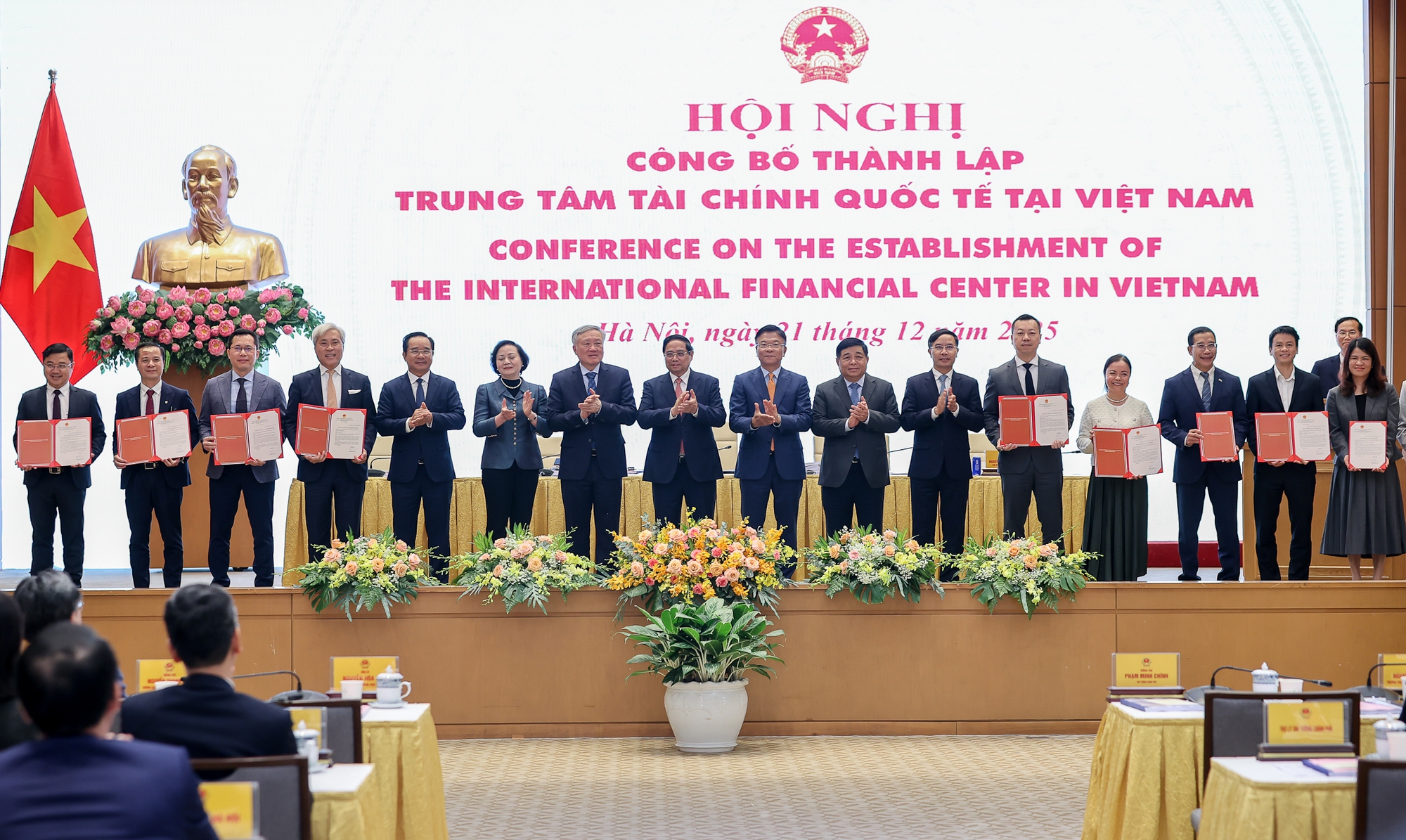
Vietnam is aiming to position itself as a leading regional and global financial hub by establishing an International Financial Center (IFC). The IFC is part of its broader strategy to become a high-income nation by 2045 and to integrate more deeply into the global financial system. The National Assembly officially adopted a resolution to establish the IFC in June.
The IFC is designed as “one center, two destinations”:
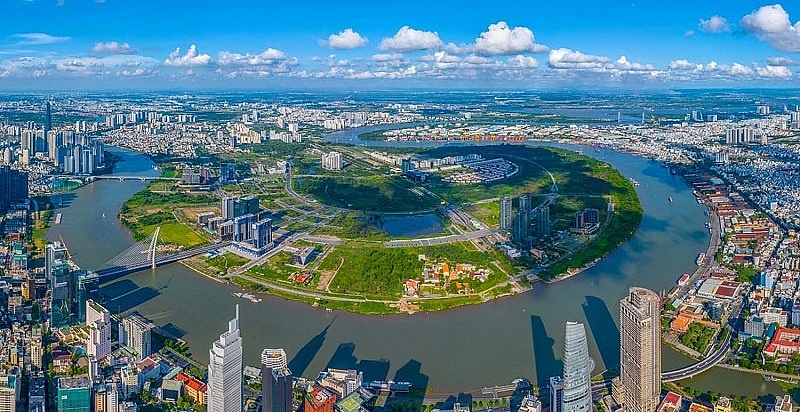
- Ho Chi Minh City, which will serve as a major financial hub, with strong development in stock markets, bonds, banking, fund management, and listing services.
- Da Nang, which will focus on financial services linked to logistics, maritime activities, free trade, and industrial, agricultural supply chains.
The planned area of the IFC will cover 899 hectares in Ho Chi Minh City and 300 hectares in Da Nang.
To attract global talent and investment, the Government has issued, and will likely continue to issue, complementary decrees detailing the benefits and special incentives for eligible companies establishing in Vietnam’s IFC. These include tax incentives, foreign exchange liberalization, and streamlined administrative procedures. Preferential work permit and immigration policies for key investors, experts, managers, and highly skilled foreign nationals, as well as their accompanying family members, are also part of these privileges.
While Decree 219/2025/ND-CP, issued in August 2025, introduced relaxed qualification requirements for experts and highly skilled technical roles in priority sectors such as finance, science, technology, innovation and national digital transformation, the Vietnamese Government followed with Decree 327/2025/ND-CP, issued on December 18, 2025, regulating entry, exit, and residence for foreigners working for companies established within the IFC. This new decree takes effect starting January 17, 2026.
Let’s explore the key immigration rules that will be applicable to foreigners employed by IFC-registered companies:
Visa and Temporary Residence Card (TRC) types and validity
- UĐ1 visa/TRC: For main beneficiaries, valid for up to 10 years.
- UĐ2 visa/TRC: For spouses and children under 18, with validity aligned with the UĐ1 holder.
This is significantly longer than standard TRCs for work permit holders in Vietnam, which are usually limited to 2 years and aligned with the work permit duration.
Pathway to Permanent Residence
Foreigners who are major investors, experts, scientists, individuals with exceptional talents, or senior managers working long term for IFC-based organizations may be considered for permanent residence in Vietnam if they:
- Have completed at least 3 years of continuous employment with an IFC-based organization; and
- Obtain a formal recommendation from a relevant minister, the head of a government agency, or the Chairman of the People’s Committee of Ho Chi Minh City or Da Nang.
With the establishment of the International Financial Center, Vietnam is sending a strong signal of its ambition to become a key financial hub in the region and beyond. Through attractive incentives and progressive immigration policies, the IFC is expected to offer an opportunity for international companies and global talent to be part of Vietnam’s next phase of growth.
On a final note, and as mentioned above, it is important to recognize that many details and procedures concerning the establishment of the IFC, along with related immigration and foreign labor requirements, will need to be clarified and implemented over the coming year.
We are at an early stage and even at the ground level, the authorities will typically have relatively limited information to provide guidance to companies and foreign individuals who desire to participate in this new initiative.
Resident Vietnam will continue to closely monitor these developments and provide timely updates to our clients. We actively engage in business forums and chambers of commerce to advocate on behalf of companies and their foreign employees, working to ensure that foreign labor regulations remain business‑friendly, compliant, and supportive of Vietnam’s economic growth.
Make sure to subscribe to our newsletter for the latest updates.