Vietnam’s foreign labor regulation is entering an important transition phase. As the country continues to attract high‑value foreign investment, regulatory clarity and practical implementation have become just as critical as policy intent:
- Why are overseas-issued health check certificates now restricted for Vietnam work permit applications, requiring applicants to complete the medical examination in Vietnam?
- Why does the concept of working in multiple locations remain so restrictive, being accepted only in limited cases and often without taking into account work carried out at vendor or contractor sites?
- Why is it necessary to submit a new work permit application from scratch when the only change is the work address with the same employer?
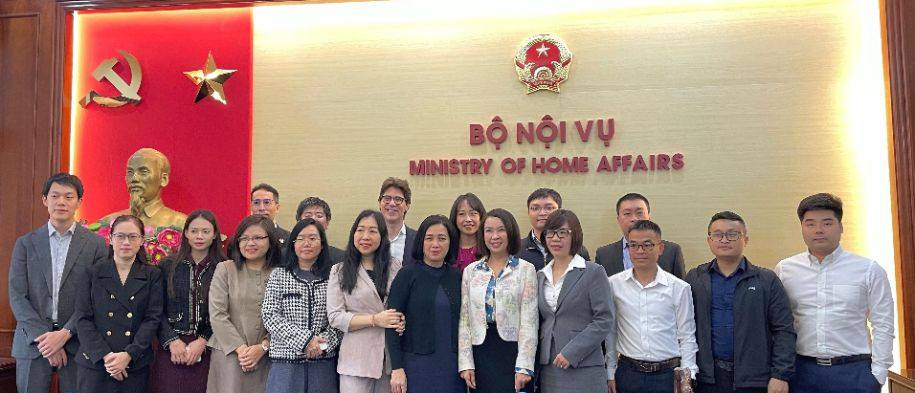
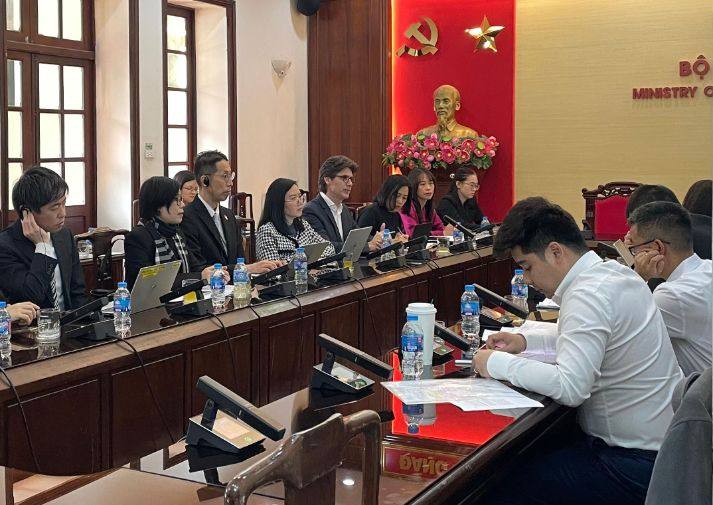
These questions reflect real operational challenges that were at the center of a consultation held on March 12, 2026, during which Resident Vietnam participated with EuroCham alongside JCCI, and AmCham, to discuss practical challenges with the Ministry of Home Affairs (MOHA), arising from Decree No. 219/2025/ND-CP on foreign workers in Vietnam (“Decree 219”). The meeting marked a meaningful step forward in strengthening government–business dialogue.
As a long-standing provider of corporate immigration consultation and compliance support, Resident Vietnam works closely with international companies navigating these issues on a daily basis, highlighting the growing need to better align legal frameworks with real-world implementation.
Building on these discussions, this article explores the practical implications of Decree 219, the key compliance challenges faced by employers, and the direction authorities are taking to refine the framework in the months ahead.
Why Decree 219 Matters for Foreign Labor Regulation in Vietnam
Decree No. 219 plays a critical role in regulating foreign workers working in Vietnam. However, since its implementation, many enterprises have encountered administrative and compliance challenges that directly affect their ability to deploy foreign expertise efficiently.
Recognizing these challenges, MOHA—through its Department of Employment—organized a direct consultation to listen to feedback from the foreign business community. The meeting also included representatives from the Legal Affairs, Wage and Salary, and International Cooperation departments.
Business communities, with Resident Vietnam contributing to the consolidated feedback, raised issues based on real implementation experience rather than theoretical concerns.
“Effective regulation requires alignment between legal intent and operational reality,” was a shared sentiment throughout the discussion.
What Foreign Labor Compliance Issues Are Businesses Facing in Vietnam?
Health Checks and Work Permit Timing
Under Decree 219, foreign employees are required to complete medical examinations in Vietnam before a work permit can be issued.
In practice, this often means:
- Entering Vietnam solely for medical checks
- Additional travel, accommodation, and tax exposure
- Delays to onboarding and project deployment
Businesses emphasized that this requirement adds administrative burden without improving work permit compliance outcomes.
Intra‑Company Transfers and Compliance Uncertainty
Many multinational businesses want to pay part of an employee’s salary in Vietnam during intra‑company transfers (ICT).
This raises unresolved questions around:
- Correct work permit classification
- Whether a labor contract is required
- Social insurance and wage compliance
Without unified guidance, companies face increased audit and enforcement risk under Vietnam’s foreign labor regulation.
Employees Working at Multiple Locations
Enterprises operating across several sites reported inconsistent interpretation among provinces when foreign employees work at more than one location.
This inconsistency increases:
- Administrative duplication
- Compliance uncertainty
- Risk of non‑alignment during inspections
Change of Work Location
Under current rules, a change in work location requires a full new work permit application, rather than a simplified re‑issuance process, significantly increasing administrative workload and compliance costs for employers of foreign workers in Vietnam.
Occupational Classification under Decision No. 34/2020
Job field classification using Level 3 occupational codes is often too general and does not always reflect the rapid evolution of the labor market. Both enterprises and licensing authorities struggle to apply them consistently, leading to:
- Rejected applications
- Re‑submissions
- Longer processing times
This issue directly affects work permit approval timelines.
Preferential Visa Categories (UĐ1, UĐ2)
While Vietnam has introduced preferential visa categories (UĐ1, UĐ2) for high‑quality professionals in priority sectors such as technology and digital transformation, detailed implementing guidance remains limited. This creates uncertainty when aligning visa strategy with foreign labor compliance requirements.
MOHA’s Response and Forward Direction
MOHA acknowledged the challenges raised and confirmed several important next steps:
- The Department of Employment is preparing a proposal to amend Decree No. 219, which will be submitted to MOHA leadership later this year.
- Once a draft amended decree is available, it will be published publicly for consultation, allowing businesses and advisors to provide comments.
- The indicative timeline shared during the meeting:
- Submission to the Government: July 2026
- Expected effective date: September 2026 (subject to approval)
- MOHA will strengthen training and guidance for local authorities to improve consistency in implementation.
- The Ministry acknowledged concerns about regulation taking effect immediately and indicated that transitional periods will be considered in the amendment process.
What This Means for Businesses Employing Foreign Workers in Vietnam
The upcoming amendment to Decree 219 presents an important opportunity for enterprises to:
- Contribute practical insights regarding foreign workers working in Vietnam
- Prepare for potential regulatory changes
- Align internal HR and mobility policies with anticipated updates to work permit and visa requirements
Resident Vietnam will continue to monitor developments closely and support clients and partners throughout this process.
Need Guidance on Foreign Labor Regulation in Vietnam?
Navigating foreign labor regulation in Vietnam and Decree 219 compliance requires both regulatory knowledge and practical experience.
If you have questions about your immigration status or documentation, feel free to contact our team.